Our ecosystem
From what we know
to what the land
can return.
Better farming needs more than an answer, a record or a model. It needs a way for those pieces to work together.
We are building a family of platforms that connects agricultural evidence, practical knowledge, the work of a season, and the value that stewardship creates.
Explore the connections Subscribe, join, donate or contact us ↓Our shared mission
Make agricultural knowledge useful, field decisions traceable, and the value of stewardship visible to the people who create it.
Our shared vision
A connected agricultural ecosystem where research informs practice, every season adds to the evidence, and land stewards can earn recurring income from the outcomes they create.
Keep sources and uncertainty visible. Reuse field records with the farmer’s approval. Build useful tools today while testing the connections needed for tomorrow.
The information flow
One field. Connected knowledge.
Select a platform to see the essential information it brings in and passes on.
Outcome agreements next.
Research → practical guidance · planned
Expert questions ↔ answers with FieldLog · implemented pathway
Practice records → TerraValue · planned
Supporting branch: sourcing & cost evidence → TerraValue · planned
Estimates → decisions today; outcome contracts planned
- Stewards, districts & buyers
Use the estimates to make decisions. Future observations test the models and inform the research.
The outcome and value
TerraValue
Modeling tools live
- Important information in
- Field location, soil and climate data, and a description of how the field is managed.
- What it contributes
- Modeled outcomes, estimated economics and a basis for conversations with farmers, districts and buyers.
Next: calibrate estimates with pilot observations. Outcome contracts, ownership records and payments are the roadmap.
The map shows how the ecosystem is intended to work, not an automatic sync between every platform. FieldLog’s expert Q&A pathway depends on the connection being configured. Farmer approval, evidence review and pilot validation remain part of the planned connections.
Five platforms. A shared purpose.
A place for every part
of the field story.
Research asks what works. People make it practical. Field records show what happened. TerraValue estimates what changed and what it could be worth. Explore each platform’s part in that chain.
The ecosystem map
Select a platform to explore
The connections are the direction we are building toward. Each platform has a useful role on its own.
TerraValue
What is the change worth?
Field-level natural capital intelligence. TerraValue compares a field with its conventional twin across carbon, water quality, water quantity, biodiversity, yield resilience and economics, then shows estimated value by who benefits or pays.
- Six field outcome models
- Value and next moves by field
- Feedstock CI records and the 45Z tool
- Brings together
- Field location, soil and climate data, and a description of how the field is managed.
- Contributes
- Modeled outcomes, estimated economics and a basis for conversations with farmers, districts and buyers.
Next: calibrate estimates with pilot observations. Outcome contracts, ownership records and payments are the roadmap.
Open the field workspaceHow it connects
Follow one change
on one field.
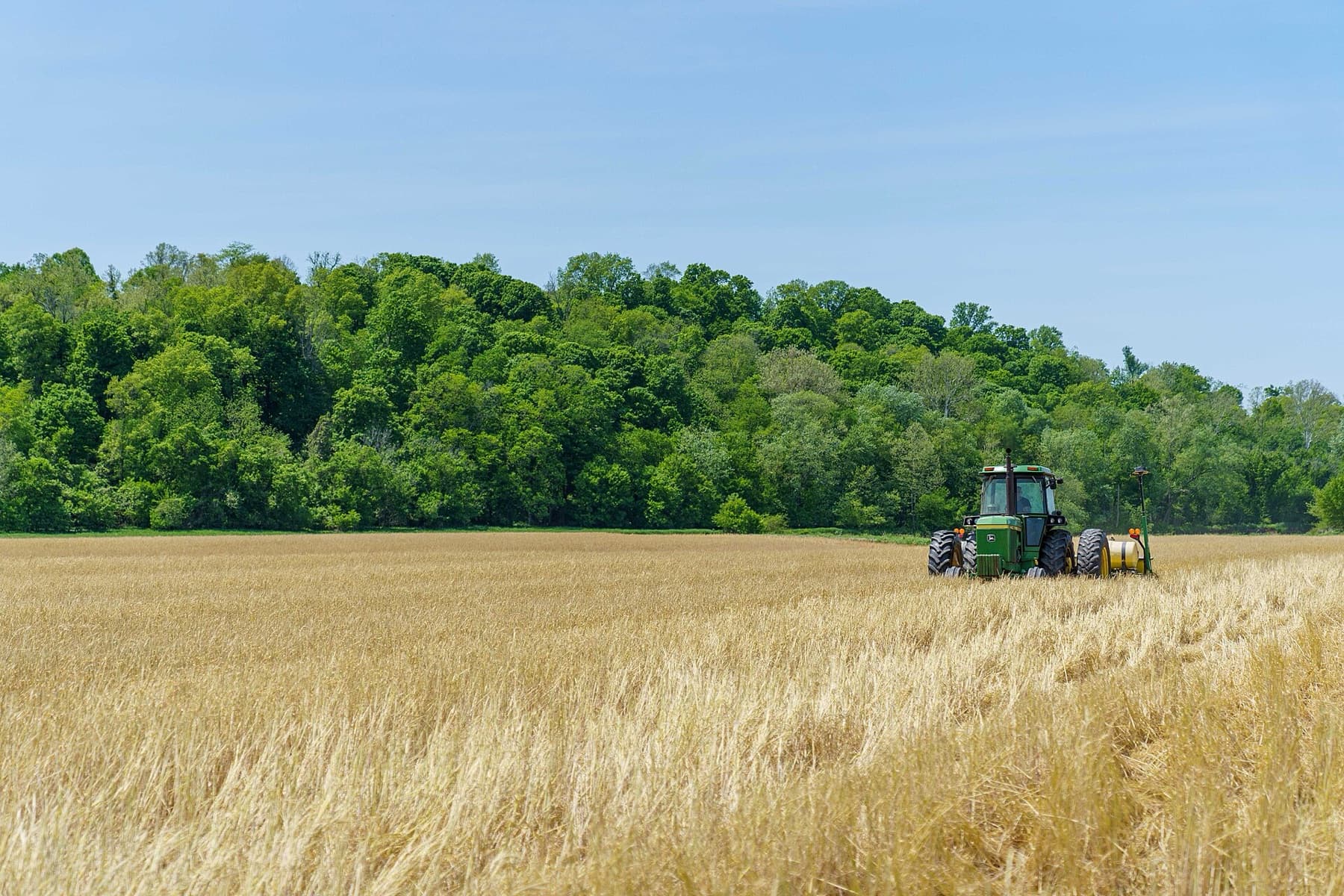
A farmer is considering cereal rye ahead of corn. Here is how the ecosystem is intended to help, from the first question to a possible outcome agreement.
- 01
OpenAgData
Find the evidence
Look for cover-crop comparisons under relevant soils, crops and climate. Keep the source, the result and its uncertainty together.
- 02
Soil Health Exchange
Work out the next step
Ask about a rye cover crop, explore practical guidance and find people or programs that can help.
- 03
FarmDeck
Find the people and inputs
Find a seed supplier or planting service, check coverage and timing, and request the work your plan depends on.
- 04
FieldLog
Keep the season’s record
Record planting, termination, nitrogen management and costs. Planned connections would bring approved sourcing details into that field history.
- 05
TerraValue
Understand the outcomes
Compare management scenarios on the field. See modeled changes in water, carbon, resilience and costs, with assumptions visible.
- 06
The next stage
Build a case for payment
A pilot would check practice evidence and outcomes with a district or buyer, agree a contract, and record who can claim each outcome.
What makes the connection useful
The record stays connected.
The evidence stays visible.
Reuse the work
The goal is a farmer-approved field history that can support several decisions and programs, with less repeated entry.
Keep the source
A measured research finding, a farmer’s record and a modeled estimate answer different questions. Their origin and uncertainty should travel with them.
Make claims traceable
Future outcome agreements need a record of the unit, its evidence and its owner, so several buyers can support an acre without claiming the same outcome twice.
Learn from the field
Pilot observations should test the models and reveal gaps in the research. Better evidence can inform the next season’s decisions.
Where we are headed
Build the connection.
Then build the market.
The long-term aim is an ecosystem dividend: recurring income for the outcomes land stewards create. Each stage depends on proving the evidence and economics of the one before it.
Today
Useful tools, each with a job.
Public knowledge at Soil Health Exchange, research discovery at OpenAgData, seasonal records in FieldLog, field estimates in TerraValue, and a live service-provider network on FarmDeck.
Start with the platform that helps your work now.
Next
Connect the evidence around a field.
Reuse approved practice records, link their supporting documents, and connect estimates to relevant research. Test the chain in a source-water pilot with farmers and a town or district.
Show that the record is usable and the estimates hold up.
Then
Turn evidence into agreements.
Develop outcome contracts, evidence grades and a ledger of who paid for what. Bring water, grain and fuel buyers into the same field story, with one owner for each claimed unit.
Prove the first contract and payment cycle.
The horizon
A recurring dividend for stewardship.
Build toward standard outcome units, more buyers across districts, and finance that can carry the gap between planting and verification. Let field observations improve the next round of research and decisions.
Make stewardship a repeatable part of farm income.
This is our direction, with no fixed launch dates. Cross-platform record sharing, the outcome ledger and recurring payments are planned work. TerraValue’s current outputs are modeled estimates, not verified credits or payment commitments.
Get involved
There is a place for you in this ecosystem.
Follow the progress, put a platform to work, support public knowledge, or help fund the next stage.
Donations through SHE support its public knowledge work. Contributions are not tax-deductible and do not purchase equity. For support of another platform, .
Subscribe
Follow what we are building.
Subscribe to updates about the platforms, field pilots and opportunities to get involved.
Update requests are handled by TerraValue for the ecosystem. You can ask us to stop updates at any time. Privacy policy
Help build what comes next